Best Kids Garden Tools Toys: OEM & Wholesale Manufacturer Guide
By DreamGo Toys | 20+ Years Wooden Toy Manufacturer in China
Not all children's garden tools are the same. Beyond basic shovels and watering cans, advanced gardening toy sets help kids learn planting, organization, teamwork, and environmental awareness.
In this guide, we examine three additional DreamGo Toys garden tool sets and explain which children benefit most from each one.
[Insert image: Kids-Garden-Tools-DreamGo-Toys.jpg]
Caption: Wooden garden tools for kids from DreamGo Toys, made from FSC-certified wood.
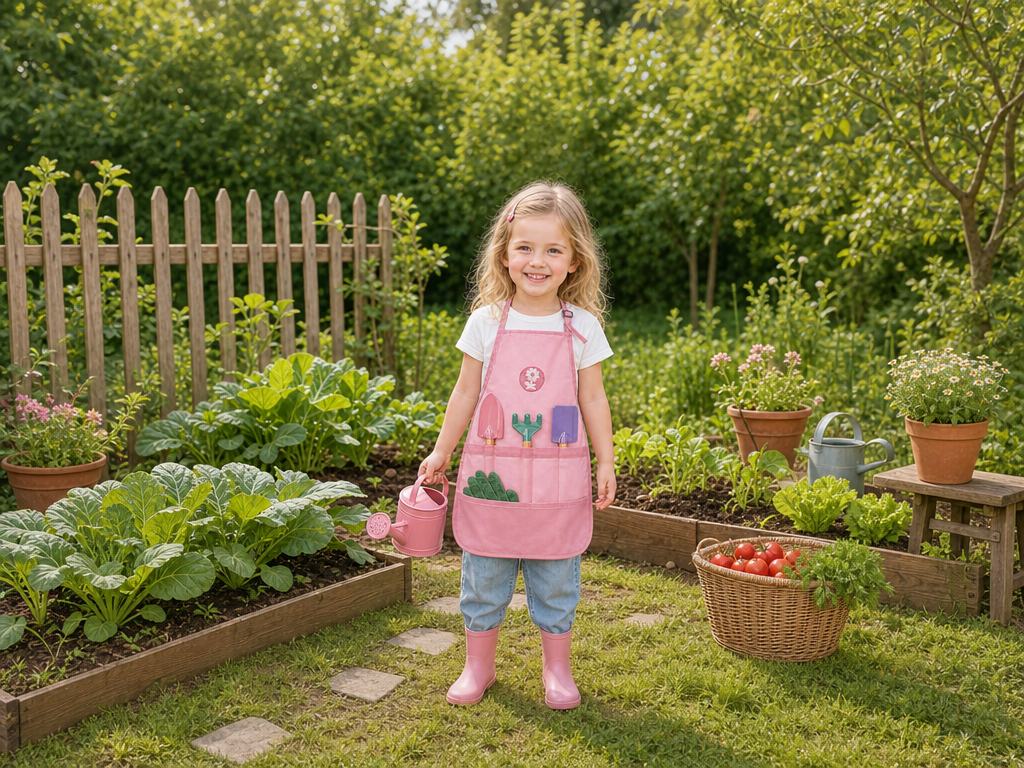
DreamGo Garden Tools Toys Make Outdoor Play Educational
Parents searching for garden tools often want more than a toy.
They want activities that:
Encourage outdoor play
Reduce screen time
Teach practical skills
Support Montessori learning
Keep children engaged for longer periods
The latest generation of wooden gardening toys does exactly that. By combining realistic tools with role-play and nature exploration, children gain hands-on learning experiences that traditional indoor toys often cannot provide.
This guide focuses on three additional DreamGo Toys garden tool products and explains how they support childhood development.
Quick Comparison: Which DreamGo Garden Tools Set Is Right for Your Child?
| Product Type | Best For | Key Skills Developed |
|---|---|---|
| Garden Tool Tote Set | Organization & role play | Responsibility, independence |
| Gardening Gloves & Tool Kit | Real gardening participation | Motor skills, coordination |
| Nature Explorer Garden Set | STEM & outdoor discovery | Observation, science learning |
Why Are Advanced Garden Tool Toys Becoming More Popular?
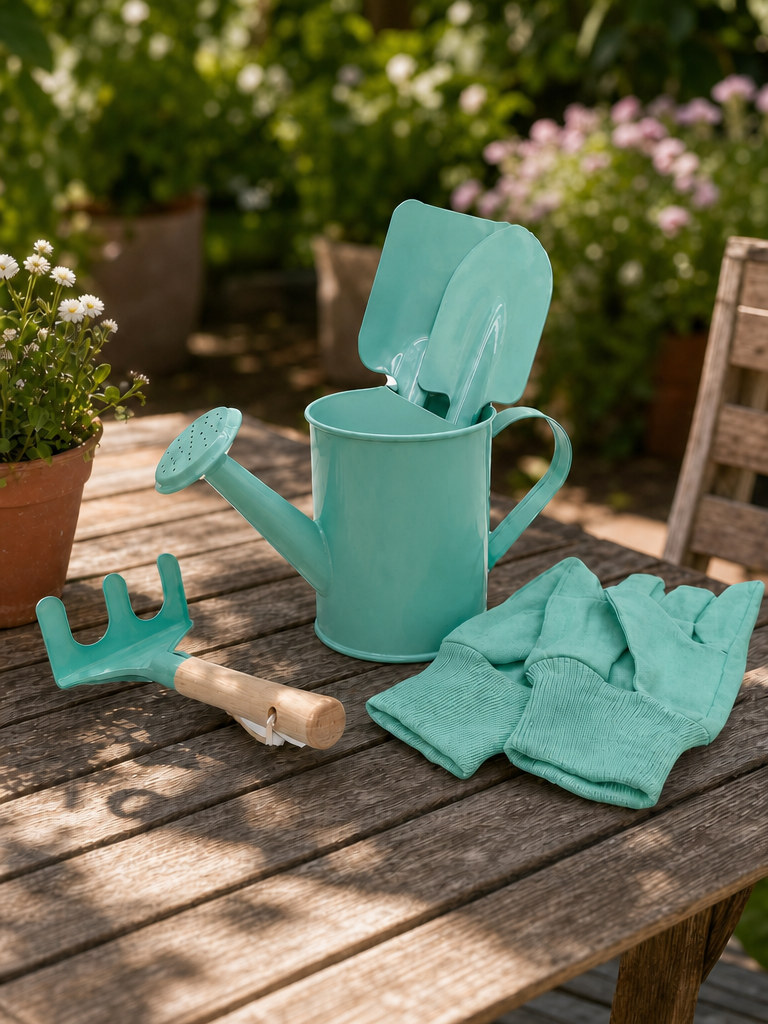
Children today spend significantly less time outdoors than previous generations.
Many parents are actively seeking toys that encourage:
Nature exploration
Physical activity
Sensory learning
Family interaction
Gardening activities naturally combine all four.
Unlike electronic toys, gardening toys create open-ended experiences. A child can spend 15 minutes digging one day and an hour planting flowers the next.
This flexibility increases long-term engagement and learning value.
DreamGo Garden Tool Tote Set: Why Does Organization Matter in Outdoor Play?
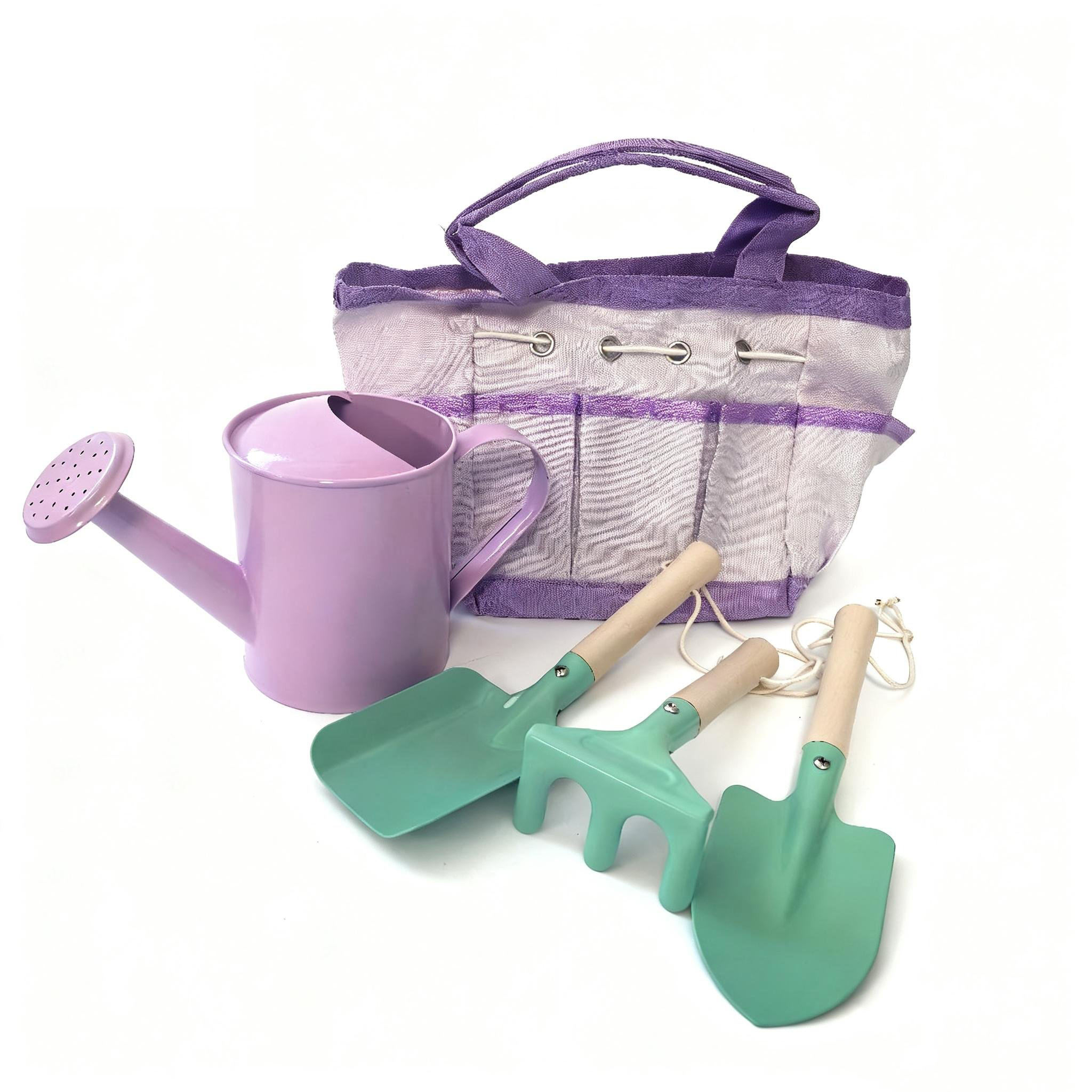
The Garden Tool Tote Set teaches children that gardening involves preparation and responsibility, not just digging.
A typical tote-style gardening set includes:
Carry bag
Hand shovel
Rake
Trowel
Small accessories
Immediate Answer
Children who learn to organize their gardening tools are more likely to develop independent play habits and responsibility.
Practical Scenario
A child receives a gardening task:
Gather tools
Carry them outside
Complete planting
Return everything to the tote
This mirrors real-world gardening behavior.
Educational Benefits
Organizational skills
Task completion
Independence
Practical life learning
Montessori Connection
Montessori educators often emphasize preparing the environment before beginning work. A garden tote naturally supports this principle.
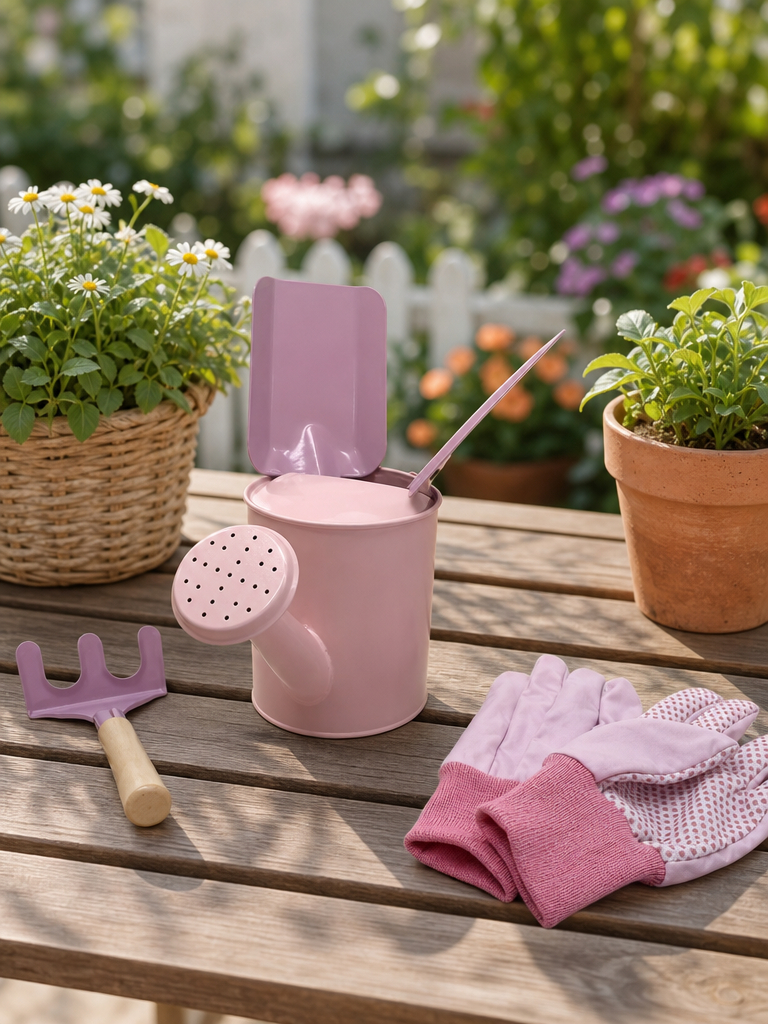
DreamGo Gardening Gloves and Tool Kit: Can Kids Safely Join Real Gardening Activities?
Yes.
Gardening gloves and properly sized tools allow children to participate in genuine gardening activities under adult supervision.
Immediate Answer
Children become more engaged when they feel they are using "real" equipment rather than toy-only accessories.
Included Components Often Feature:
Child-sized gloves
Hand rake
Shovel
Digging tools
Real-World Example
During spring planting season:
Parents prepare soil
Children dig planting holes
Families plant flowers together
The child becomes an active participant rather than a spectator.
Development Benefits
| Skill | How Gardening Helps |
|---|---|
| Hand Strength | Digging and scooping |
| Coordination | Tool control |
| Focus | Completing planting tasks |
| Confidence | Contributing to family projects |
Advantages
Realistic experience
Encourages teamwork
Supports outdoor exercise
Builds self-confidence
DreamGo Nature Explorer Garden Set: How Does Gardening Support STEM Learning?
Gardening is one of the easiest ways to introduce STEM concepts to young children.
A Nature Explorer-style garden set often combines gardening tools with observation activities.
Immediate Answer
Children learn science best when they can observe real changes in the natural world.
STEM Concepts Introduced
Plant growth cycles
Soil composition
Weather effects
Insects and pollinators
Water requirements
Example Activity
Plant three different seeds:
Bean
Sunflower
Lettuce
Track:
Germination speed
Growth height
Water usage
Children naturally begin asking scientific questions.
Learning Outcomes
Observation skills
Critical thinking
Pattern recognition
Cause-and-effect understanding
[Insert image: Nature-Explorer-Garden-Set-DreamGo-Toys.jpg]
Caption: Nature Explorer Garden Set from DreamGo Toys for STEM learning.
How Do These Garden Tools Improve Child Development?
The best garden tool toys combine physical, cognitive, and emotional development.
Physical Development
Children improve:
Grip strength
Fine motor control
Coordination
Balance
Example
Using a trowel requires controlled hand movements and wrist stability.
Cognitive Development
Gardening introduces:
Sequencing
Planning
Problem solving
Example
A child learns:
Dig first
Plant second
Water third
This builds logical thinking.
Emotional Development
Gardening teaches patience.
Unlike instant digital entertainment, plants take days or weeks to grow.
Children learn:
Delayed gratification
Responsibility
Persistence
What Makes Wooden Garden
Contact: Sales Manager
Phone: +86-158 5740 7984
E-mail: apple@dreamgotoys.com
Whatsapp:8615857407984
Add: Room 501, Building 23, OVU Digital Innovation Hub, 636 Banshan Road, Xiaogang Subdistrict, Beilun District Ningbo, Zhejiang, China
We chat